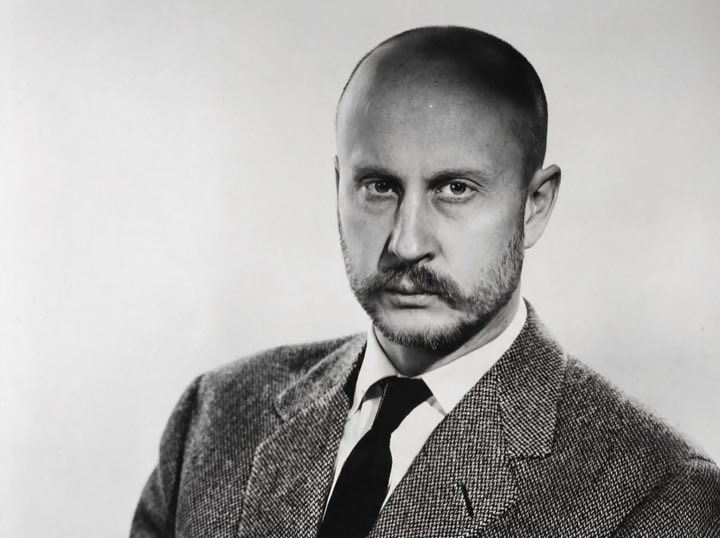
Oleg Tserbaev

AI can, but only humans want

Portrait of Oleg Tserbaev in a tweed jacket, black and white
Clients
Apple, Deutsche Bank, Raiffeisen Bank, BBDO

Bio & Experience

I am Oleg Tserbaev, an artist, photographer, educator and founder of the AI Lab. I offer four different courses and have already taught over 2,000 students.

I am Oleg Tserbaev, an artist, photographer, educator and founder of the AI Lab. I offer four different courses and have already taught over 2,000 students.

I'm also a cultural historian, advertising photographer and educator. I spent five years conducting doctoral research at the Institute of Slavic Studies of the Russian Academy of Sciences.

Over the past 20 years, I've worked in advertising photography with clients such as Apple, Deutsche Bank and Raiffeisen Bank, as well as BBDO, a major advertising agency. My photographs have appeared in Harper’s Bazaar, ELLE, L’Officiel and Playboy.

I've been teaching for over ten years, focusing on design, photography and, more recently, AI. I've taught over 3,000 academic hours in the bachelor's and master's programmes at the HSE Art and Design School. In 2023, I developed Russia's first university course on AI image generation.
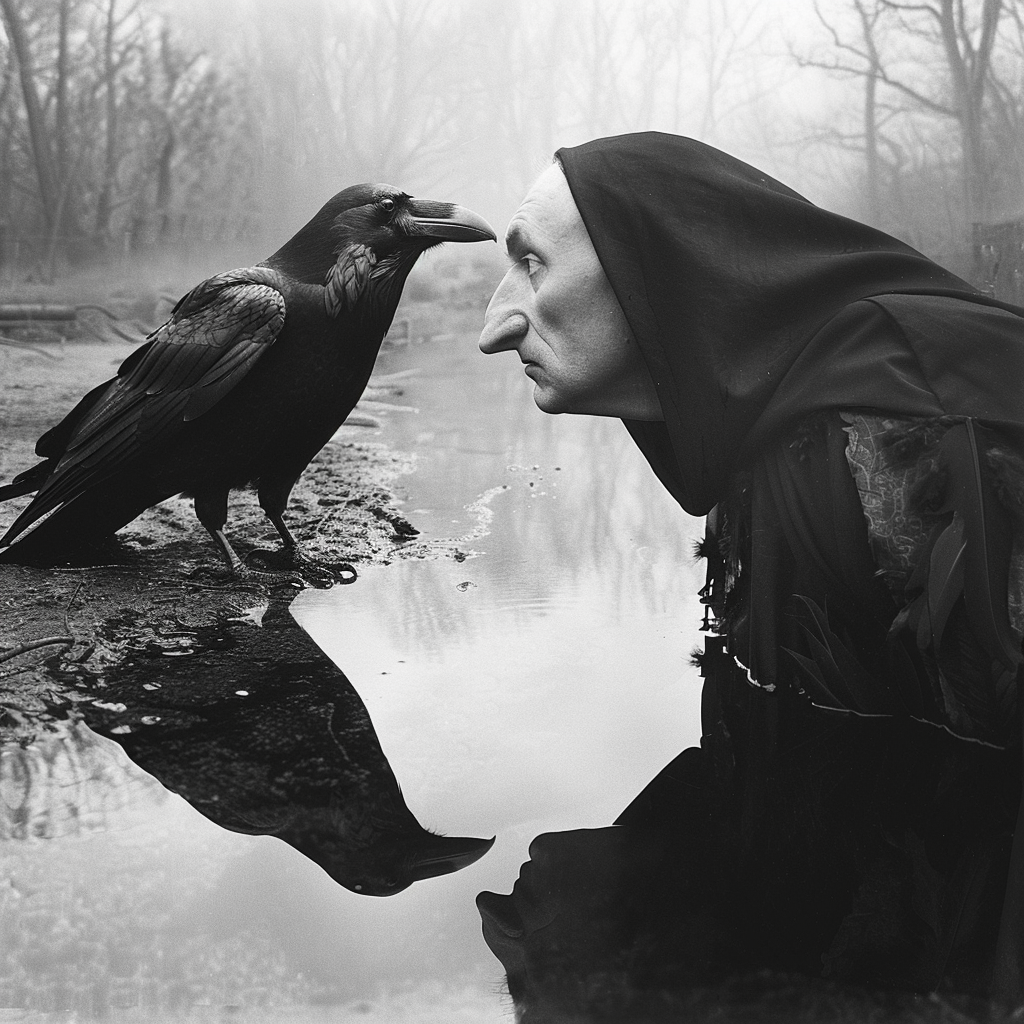
A raven and a hooded figure face each other over a puddle, black and white
Format
Courses, mentoring, corporate training

A Cultural Encounter

School is a cultural encounter. Teaching based on gathering information and mastering tools no longer works. AI is now better than humans at processing information, but has no needs or desires of its own and therefore cannot set goals and make decisions for us. Effective learning today is a combination of human cultural and creative experience and the capabilities of AI. In this process, the role of both teachers and students is that of a demiurge.

School is a cultural encounter. Teaching based on gathering information and mastering tools no longer works. AI is now better than humans at processing information, but has no needs or desires of its own and therefore cannot set goals and make decisions for us. Effective learning today is a combination of human cultural and creative experience and the capabilities of AI. In this process, the role of both teachers and students is that of a demiurge.

The language we use when working with visual AI is not just prompting. We rely primarily on artistic context and our own visual experience, both internal and external. This allows us to develop ideas, visualise them and control the result. It also helps us decide how to share work between humans and AI.

As I see it, the goal of learning is not just to acquire knowledge but to gain experience in applying it in specific practical fields: photography, design, film and animation.

As a teacher, I want to help people keep their jobs and professions. But I believe that nowadays this is only possible by integrating AI tools and new ways of thinking into their existing professional practice.

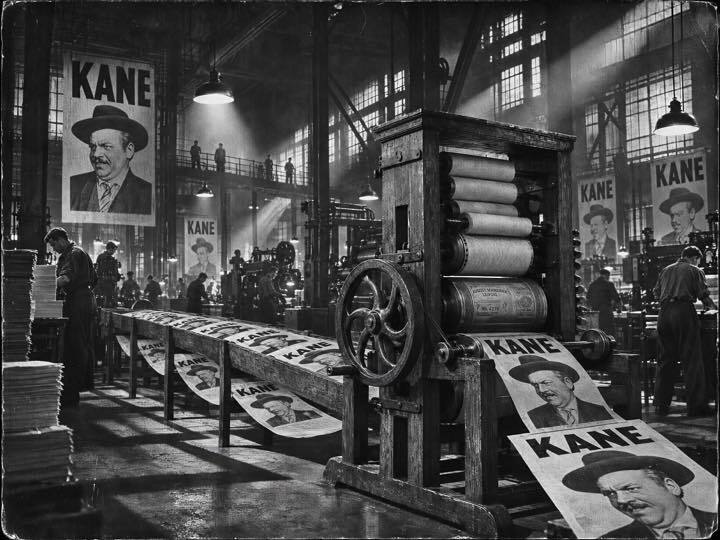
A printing press turning out KANE posters in a vast workshop, black and white
Method
Mockumentary

The Imaginary Museum

As an artist, I'm not interested in creating “magical” images with AI. I'm interested in finding new ways of looking at what already exists and what has been created before. For me, AI is a telescope pointed back through time.

As an artist, I'm not interested in creating “magical” images with AI. I'm interested in finding new ways of looking at what already exists and what has been created before. For me, AI is a telescope pointed back through time.

André Malraux spoke of photography as a way to bring together all the world's art in one place, in one mind, in a single “imaginary museum”. AI gives us a unique opportunity to build an incredibly rich imaginary museum of our own. We can reconstruct stories from the past in fine detail and give them a remarkably realistic life they never had.

My method is mockumentary, an artistic immersion in a world through a documentary approach, built on a multitude of visual references. Each of us carries within a million images we've seen before – precious, beloved or simply glimpsed by chance. AI tools allow us to reconnect with these images, so that internal and external worlds suddenly coincide, creating a powerful personal experience.

The real world is imperfect and endlessly varied, while AI-generated images tend to look plastic and uniform. My method is a way of bringing that familiar imperfection back into images.

What matters most is to find your own way of using AI as an artist without losing your identity. Preserving that artistic identity, exploring and redefining your own role in the creative process – this is the heart of it all.